
Public seminar: Sebastian Wedler (Utrecht University)
Anton Webern and the Enchantments of Music Theory
Free entry, no registration required
Abstract
'What if music theory is terminally enchanted?' With this powerful rhetorical question, posed in his plenary talk at the SMT's 2017 Annual Conference (published in Music Theory Online 24/1), Steven Rings put the diagnostic finger on a spot that has been smarting the discipline for decades. While in the face of the horrors and bleakness of the modern day, the figure of the critical theorist stands ever ready to demystify and deconstruct - in short, disenchant - in the service of ideology critique, the figure of the music theorist, though of course no less entangled in the way of the world, tends to launch their inquiries unapologetically from a place of enchantment: that of music's magic and its material apparatuses for the incommensurable production of presence and ephemerality.
However exaggerated for heuristic purposes, Rings's juxtaposition between the disenchanted critical theorist and the enchanted music theorist offers a pertinent starting point to reopen the wound of the precarious relationship between critical theory and music theory. Put in slightly provocative terms, to what extent can analytical insights gained from modern music-theoretical edifices - such as the New Formenlehre, transformational approaches to harmony, voice leading and rhythm, topic theory, pitch-class set aggregates, or Klumpenhouwer networks, just to name but a few - provide the ferment for a genuine critique of the social, if at all? Fuelling Rings's argumentative manoeuvre that enchantment can be critical after all, this talk will present a personal account of my own meanderings (and trials and tribulations) in the arena of music theory and analysis. Drawing on some of my analytical work on Anton Webern whose compositions I have been studying for many years, with ears both mesmerised by their sound-worlds and attuned to critical theory and hermeneutics, I will ask: what if music theory is not only terminally enchanted but finds its criticality in its ability to terminally enchant?

Biography
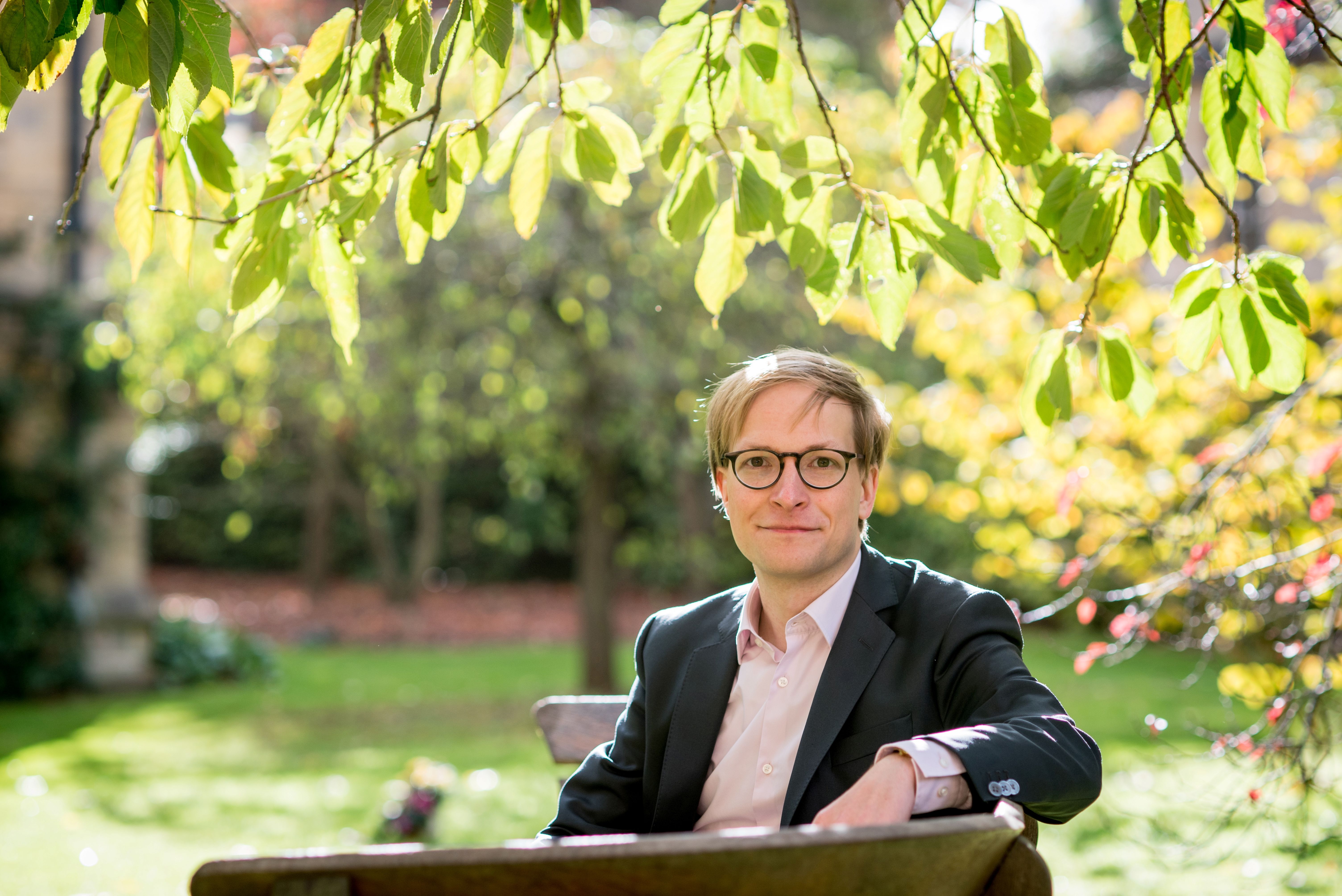
Sebastian Wedler (DPhil, Oxford) is Assistant Professor of Musicology at Utrecht University and author of Anton Webern at the Dawn of Modernism, recently published by Cambridge University Press. His other works include articles and chapters in venues such as Music Analysis, Twentieth-Century Music, The Cambridge Companion to Music and Romanticism, The Cambridge Companion to Serialism, and Beethoven in Context (forthcoming). He was elected Prize Scholar at Merton College, Oxford, is the recipient of the 'Link 2 Future' Award from the Psychoanalytisches Seminar Zürich, held scholarships from the Arts and Humanities Research Council UK and the Paul Sacher Foundation, and has been selected to deliver the 2021 Anton Webern Lecture at the University of Basel. In recognition of his teaching, he was shortlisted for Outstanding Tutor in the Humanities by the Oxford University Student Union.