
Public seminar: Alexander Rehding (Harvard University)
'Subtractive Acts of Creation'
Biography
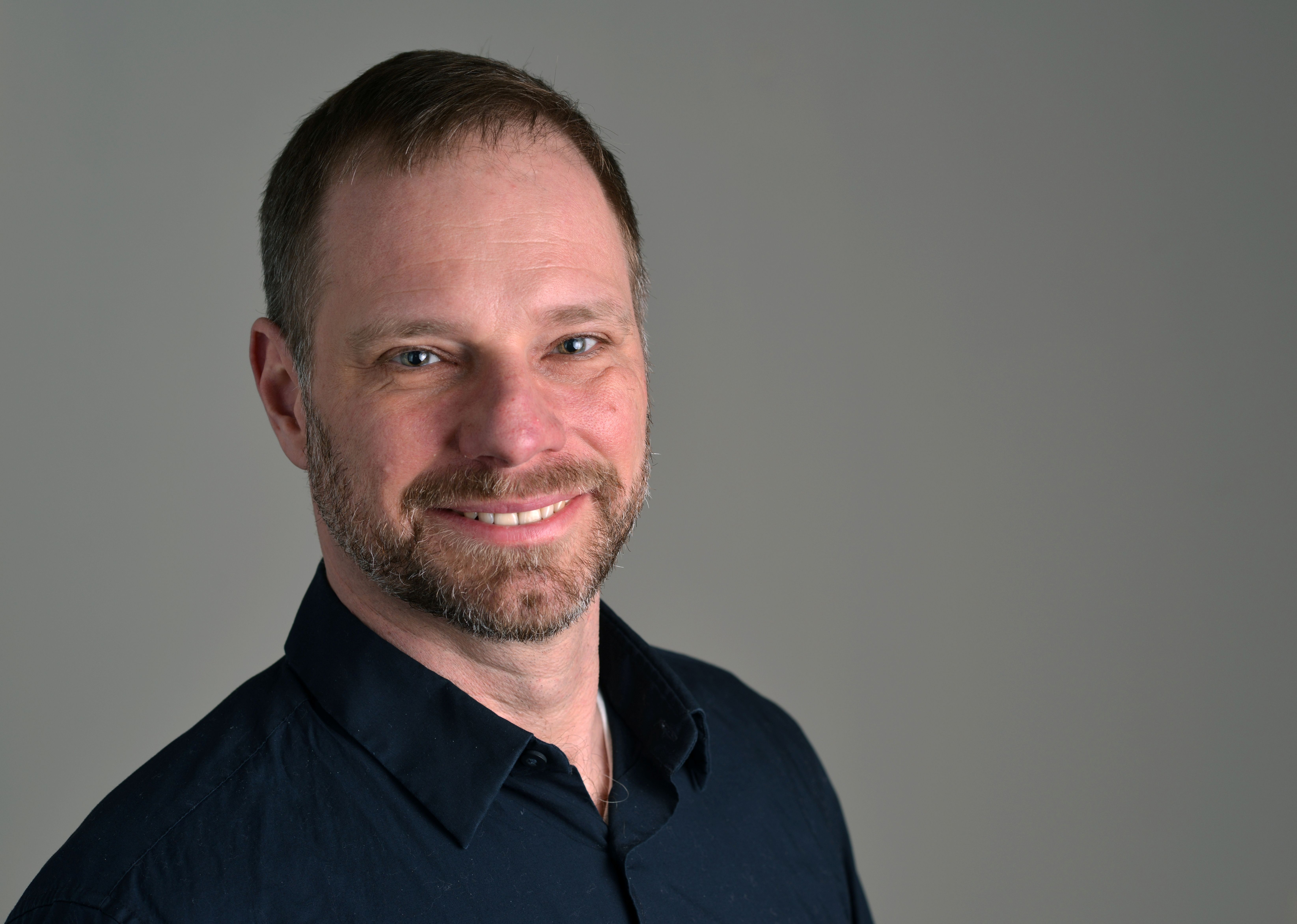
Alexander Rehding is Fanny Peabody Professor of Music at Harvard University. His monographs include Hugo Riemann and the Birth of Modern Musical Thought (2003), Music and Monumentality (2011), Beethoven’s Symphony no. 9 (2017), Alien Listening (2021, with Daniel Chua), and Instruments of Music Theory (Jan 2027). He was editor for Acta musicologica (2006–2011), editor-in-chief of the Oxford Handbooks Online series in Music (2011–2019), and series editor of the six-volume Bloomsbury Cultural History of Western Music (2023). His contributions have been recognized with such awards as a Guggenheim Fellowship, the Dent Medal, and the Berlin Prize of the American Academy in Berlin. He is now working on two new books, one on creativity and the brain, and one on music and the Anthropocene.
Abstract
What if music wasn’t built up from tones but cut out of noise? Media theorist Friedrich Kittler argued that music was merely a subsection of the world of noise and imagined a music created purely by a process of filtering. This paper explores the technological and aesthetic conditions underlying music sculpted out of complex noise. Taking a broad approach to subtractive synthesis, which not only encompasses electronic music but also instrumental before the emergence of synthesizers, it asks to what extent such a music filtered out of noise might in fact exist – it does so in parts – and concludes by arguing that to understand noise better, music theory would do well to embrace the digital.