

Graduate Research Colloquia: Dr Cayenna Ponchione-Bailey (University of Oxford)
Afghanistan's blended orchestras: politics and practices
Abstract
Despite the Taliban's brutal repression of music in Afghanistan today, the region's extraordinary musical history spans thousands of years and embraces a plethora of influences and practices, ranging from folk music and Hindustani classical traditions to historically-European classical and global popular music genres. Drawing on my collaborative research with the Orchestras of Afghanistan Research Stakeholders Group, I explore the politics and practices of the country's 'blended' orchestras-those that bridge these diverse musical traditions. Active in Afghanistan during the mid-to-late 20th century, and again in the second decade of the 21st century, these ensembles initially emerged to meet the demands of military and entertainment contexts, later taking on more explicit national cultural and geo-political agendas. Their day-to-day practices were marked by these generative forces, giving rise to their unique sonic profiles and the social organisation of their artistic work. While music and musicians are silenced, repressed, and driven underground by the Taliban regime, this blended orchestral practice continues to evolve, developed by musicians living in exile today. This talk examines the significance of blended orchestral practices in Afghanistan, exploring how they reflect and negotiate the country's complex cultural and political histories while drawing attention to ongoing efforts by practitioners to preserve and sustain them.
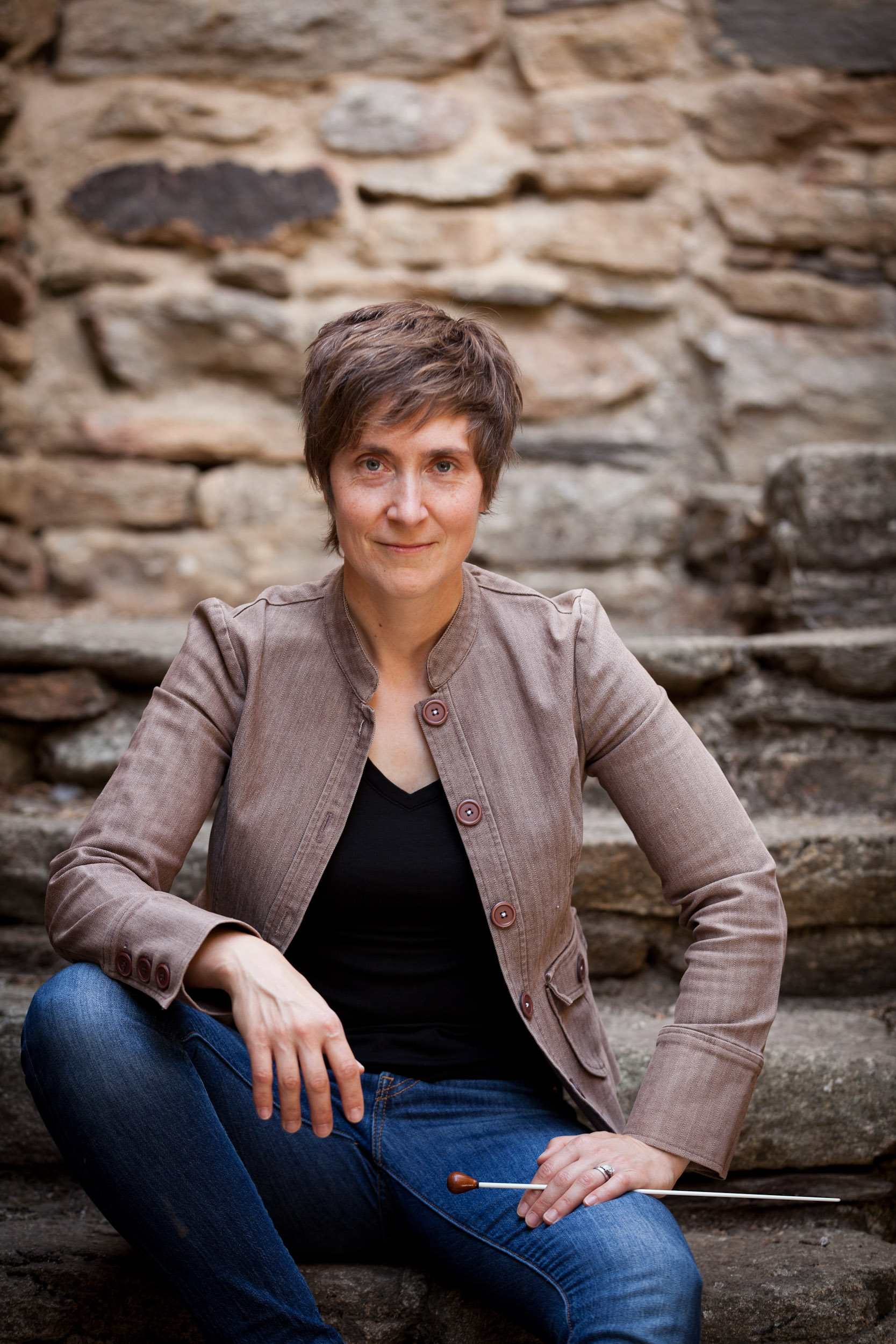
Dr Cayenna Ponchione Bailey© Oliver Oppitz
Biography
Dr Cayenna Ponchione-Bailey is an academic and orchestral conductor whose research is focused on the social-psychological and socio-political aspects of orchestral music-making; from the intricacies of co-performer communication in modern and historically informed contexts, to the politics of participation and orchestras' geo-political significance. Her publications include 'The body orchestral: The embodied process of orchestral performance' (2018) in Collaborative and distributed processes in contemporary music-making, 'Digital methods in the study of the nineteenth-century orchestra' (2020) in Nineteenth-Century Music Review, and 'Agency, creativity and (inter)action in orchestral performance' (In press) in Making music together: Analytical perspectives on musical interaction. Since 2018 she has worked closely with Afghan orchestral musicians, including hosting the Zohra Orchestra for their 2019 UK tour. She is currently working on a co-authored book, Perspectives on the historical and contemporary Practices of the orchestras of Afghanistan, with members of the Orchestras of Afghanistan Research Stakeholders Group, part of her former Leverhulme Early Career Research Fellowship at the University of Sheffield. Dr Ponchione-Bailey is Director of Performance at St Catherine's College, University of Oxford, an Honorary Research Fellow in Music at the University of Sheffield, Academic Lead at the OAcademy, and Conducting Fellow of the Oxford Philharmonic Orchestra.
Image credit: Oliver Oppitz