

13 Ways of Looking at AI, Art and Music
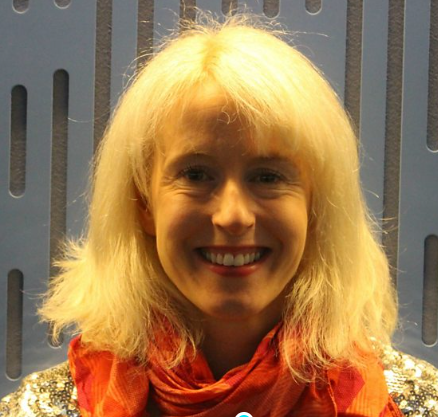

Professor Jennifer Walshe
Ertegun Futures welcomes Professor Jennifer Walshe "The most original compositional voice to emerge from Ireland in the past 20 years" (The Irish Times) for the Trinity Term seminar "13 Ways of Looking at AI, Art and Music".
AI is not a singular phenomenon. We talk about it as if it's a monolithic identity, but it's many, many different things - the fantasy partner chatbot whispering sweet virtual nothings in our ears, the algorithm scanning our faces at passport control, the playlists we're served when we can't be bothered to pick an album. The technology is similar in each case, but the networks, the datasets and the outcomes are all different.
The same goes for art and music made using AI. We can listen to Frank Sinatra singing a cover of a rap song from beyond the grave, we can look at paintings made by robots, we can hang out in the comments section of a machine learning-generated death-metal livestream. But the fact that artworks like these are made using AI doesn't mean that they are all asking the same questions or have the same goals. We experience these works - and the way AI is used in them - in a multitude of ways.
So how should we think about art and music made with AI? Instead of looking for a definitive approach, one clean (and/or hot) take to rule them all, perhaps we can try to think like the networks do - in higher dimensions. From multiple positions, simultaneously. Messily. Not one way of looking at AI, but many.